From Flooded to Warm: Temporary Heating Hire for Churches
The Challenge
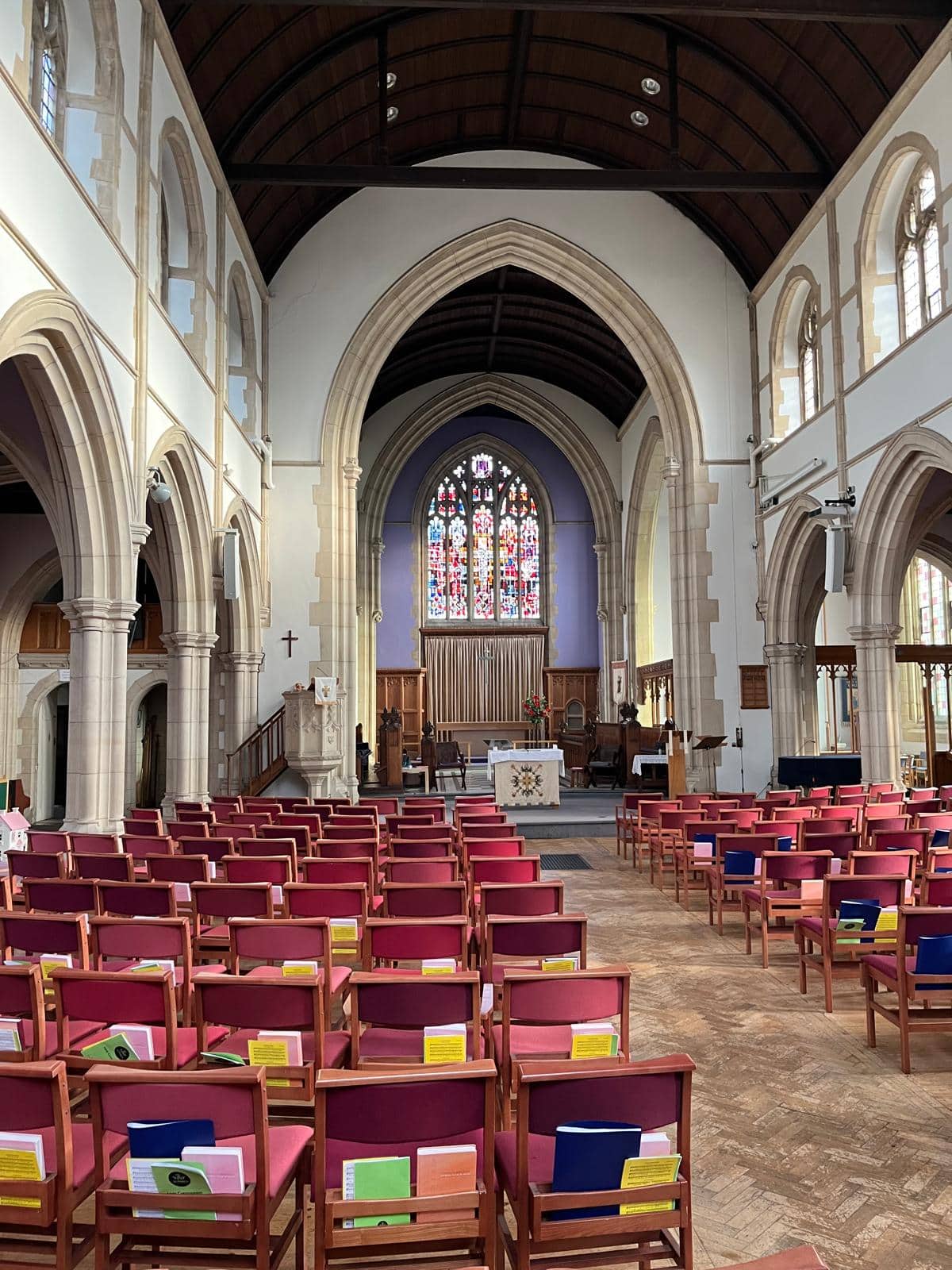
Following an unexpected and heavy downpour, a historic church in Bristol experienced flooding throughout its halls. The flooding damaged the existing heating system, leaving the main hall cold just as winter services were due to begin. With church services and events approaching, the church needed a fast and dependable temporary heating solution to keep the building operational.
The Solution
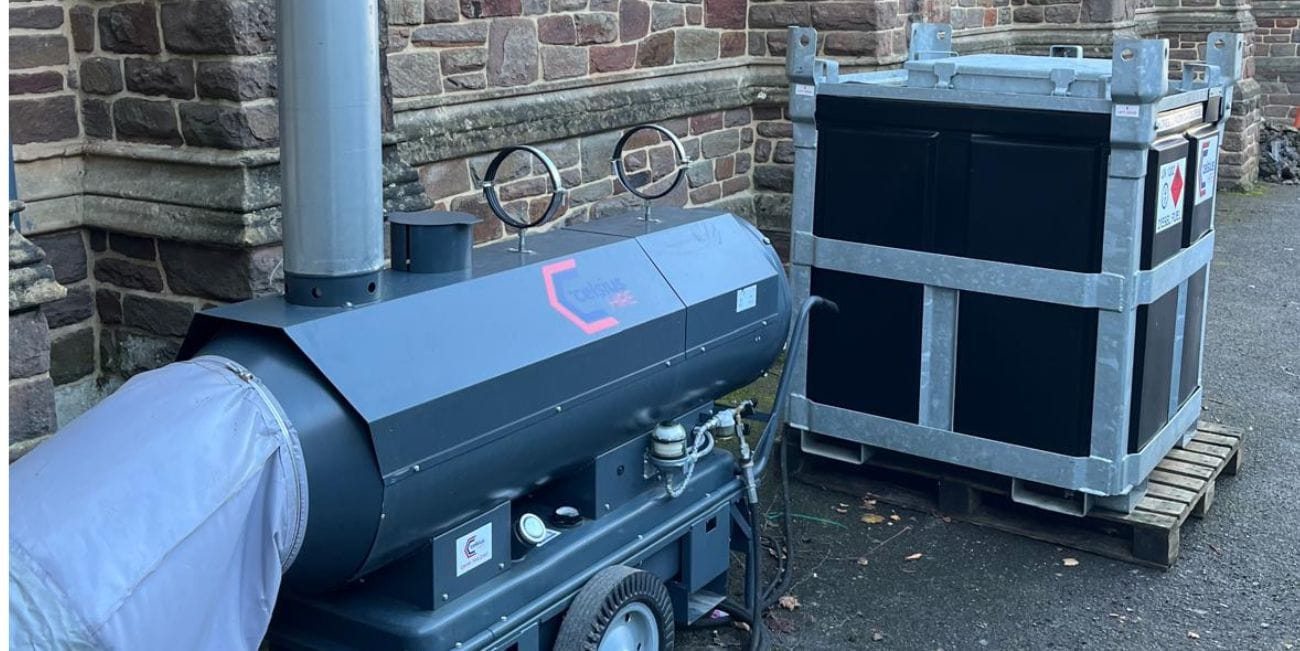
Indirect fired heaters are designed so warm air is distributed via ducting, making IDF heaters particularly well suited to enclosed or occupied buildings where controlled heat delivery is essential.
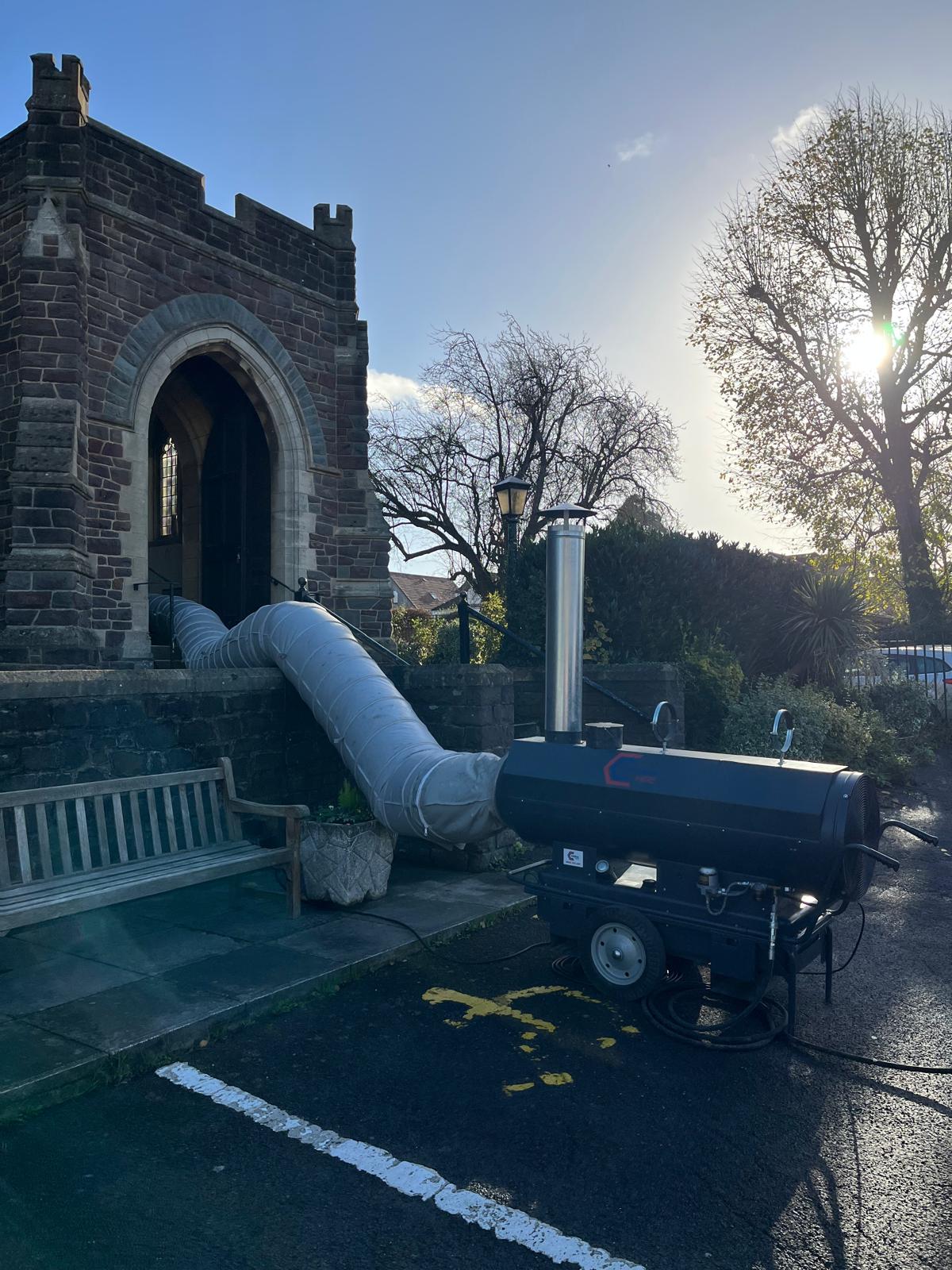
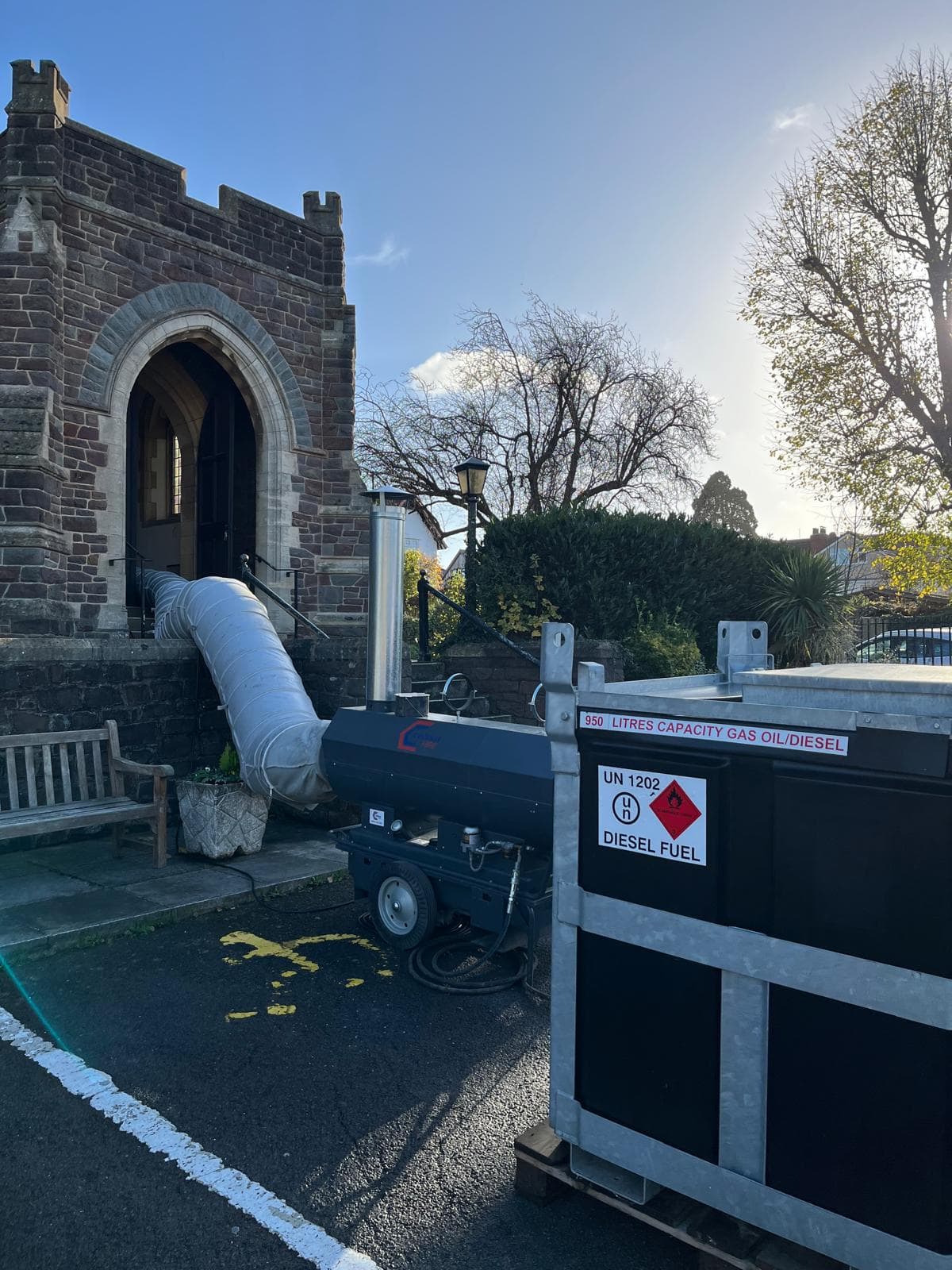
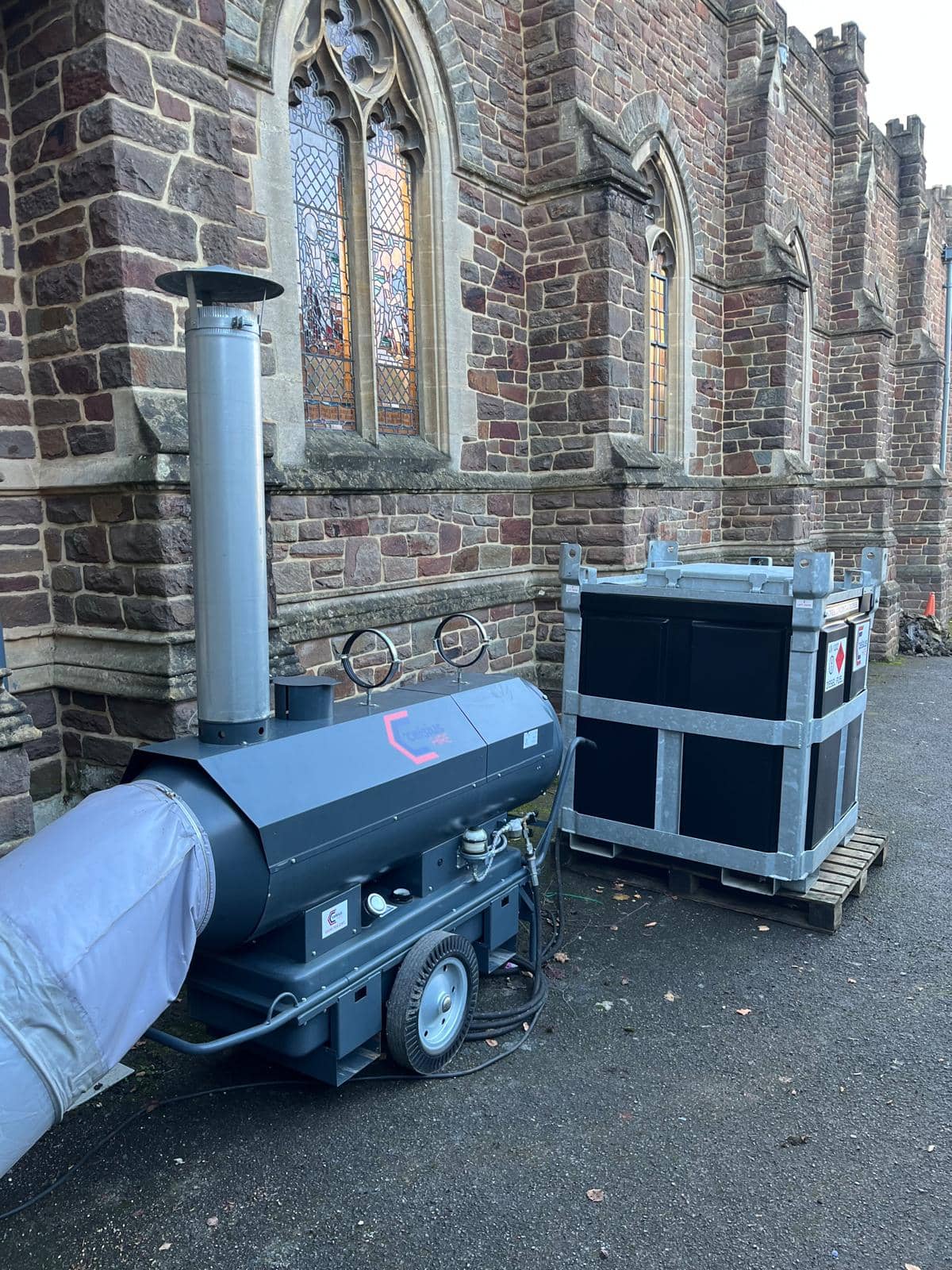
To ensure even heat distribution across the large main hall, one heater was positioned in the car park and ducted through a side entrance into the building. The second heater was installed at the opposite side, allowing the main entrance to remain fully accessible while ensuring warm air reached the furthest areas of the hall.
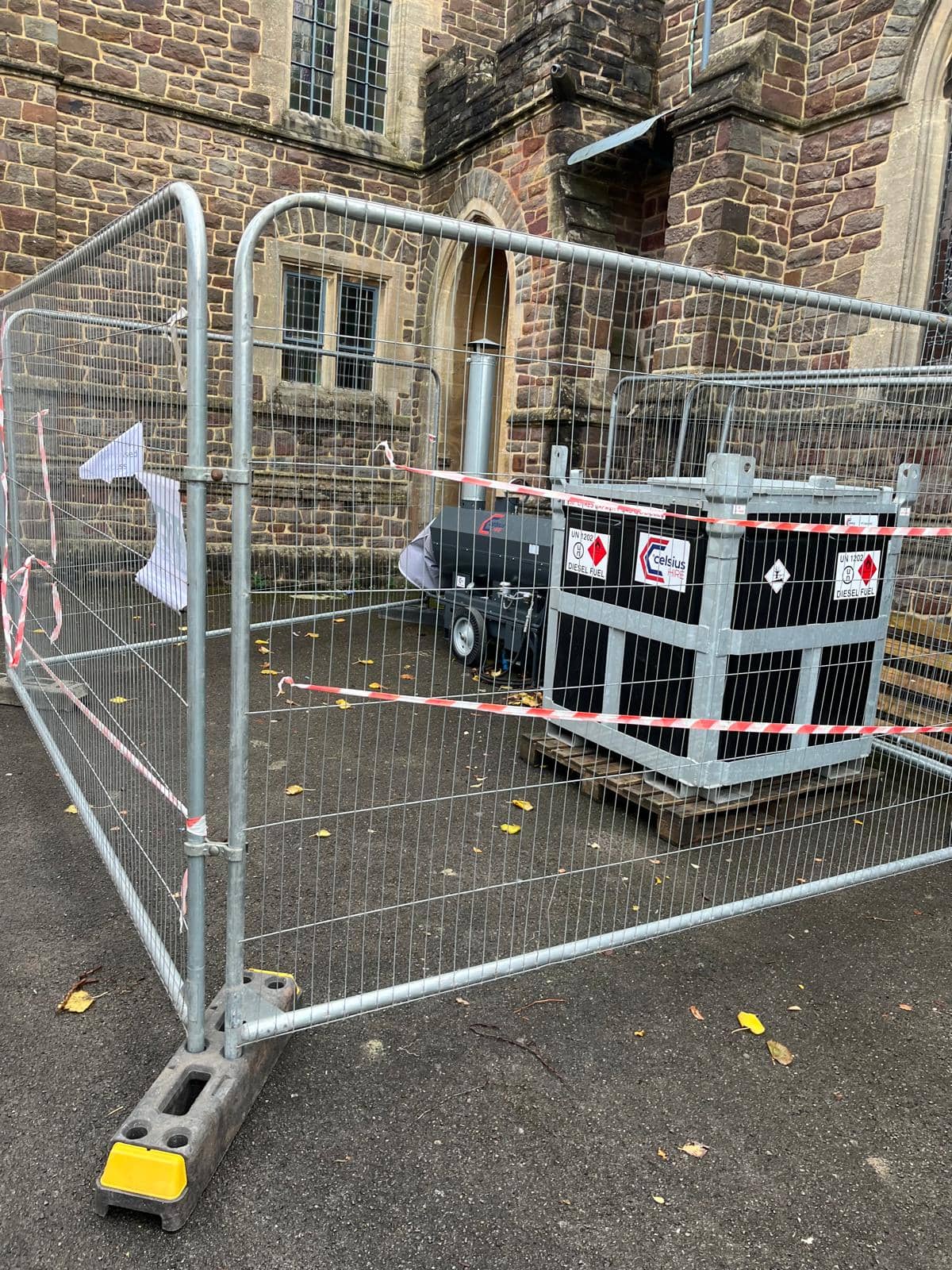
Each heater was supplied with its own pre-filled 1000L fuel tank and secured with Heras fencing, providing a compact, safe and practical setup for the duration of the hire.
Kit List
-
40m of Ducting
-
Heras Fencing Panels
Technical Insight
The use of two heaters allowed the system to be configured as a balanced, dual-entry airflow setup, improving heat coverage across the large internal volume of the hall. Ducting enabled targeted heat delivery, ensuring temperature consistency even in areas far from the heater locations.
Indirect fired heaters are also scalable, meaning multiple units can be combined to meet the demands of larger or more complex spaces; an important consideration when heating historic buildings with high ceilings and variable heat loss characteristics.
The Result
The temporary heating solution quickly restored the main hall to a warm and welcoming environment. Services and events continued without disruption, allowing the church to carry on with its planned winter and festive activities.
This project demonstrated how a well-designed temporary heating setup, supported by the right equipment and layout, can provide an effective solution when unexpected issues arise.
“Because the church is such a large, open space, we had to think carefully about how to deliver heat evenly without disrupting access or daily use. By using two 65kW indirect fired heaters and positioning them on opposite sides of the building, we were able to push warm air deep into the main hall and maintain consistent temperatures throughout. It was a fast turnaround, but with the right layout and equipment, we were able to get the space warm again quickly and keep everything running smoothly.” – Braeden, Sales Engineer
Sector Insight: Heating for Large-Scale Buildings
Heating large-scale buildings presents a unique set of challenges. Spaces such as churches, cathedrals, halls, warehouses and public buildings often feature high ceilings, large open areas, and complex layouts, all of which make maintaining consistent temperatures more demanding than in standard commercial spaces.
Temporary heating solutions need to be powerful, flexible, and carefully configured to ensure heat reaches every part of the building without disrupting daily operations. Factors such as access restrictions, airflow routes, ducting distances, and building use must all be considered when designing an effective setup.
Indirect fired heaters are particularly well suited to large-scale environments because they can be deployed externally, ducted into key areas, and scaled to match the size and requirements of the space. By combining the right equipment with thoughtful positioning and system design, it’s possible to deliver reliable heating even in challenging or unexpected circumstances.
This project in Bristol highlights how tailored temporary heating solutions can support large and complex buildings, keeping them operational when permanent systems fail or are undergoing repair.