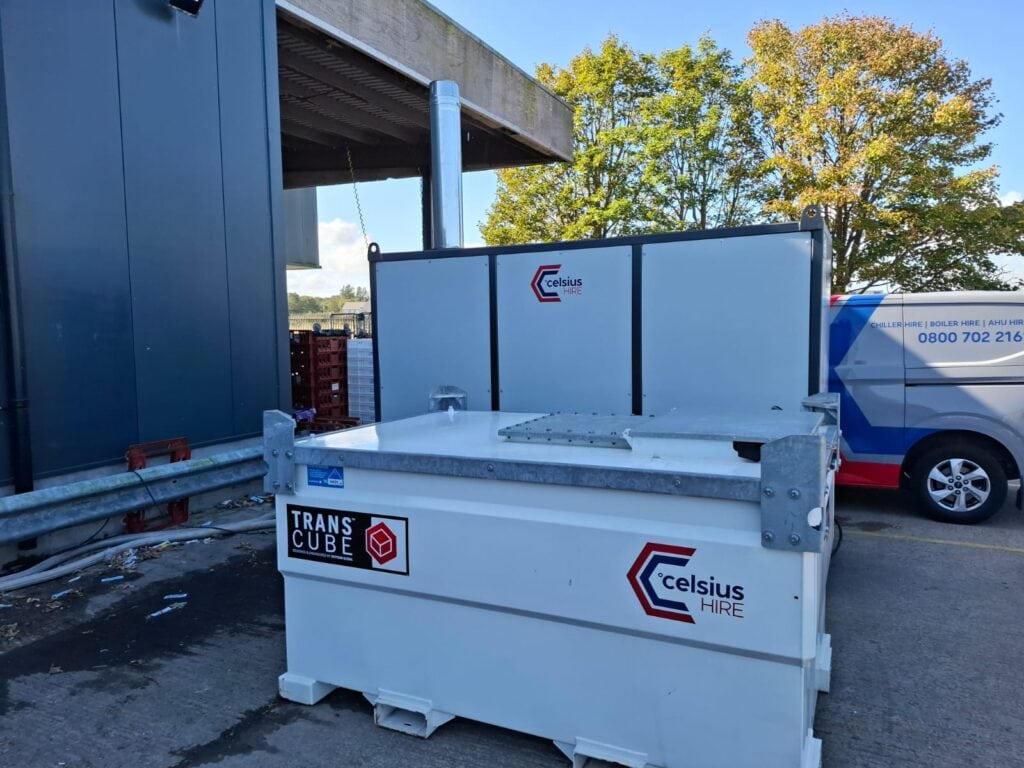
In the supermarket sector, heating is often invisible until something goes wrong. Unlike many other commercial environments, supermarkets operate long hours, host high footfall and rely on stable internal conditions to maintain comfort, protect stock and ensure smooth operations.
When heating systems fail, the impact can be immediate. Customer experience suffers, staff comfort declines and operational risks increase. That is why reliable, flexible heating solutions are essential for modern supermarkets.
This sector spotlight explores the challenges of supermarket heating and how temporary systems such as indirect fired heaters (IDFs) and small boilers can provide fast, effective support when it matters most.
Why supermarket heating hire is business critical
Supermarket heating hire is not simply about temperature control. It plays a direct role in:
• Customer comfort
• Staff wellbeing and productivity
• Protection of sensitive stock and equipment
• Compliance with health and safety standards
• Business continuity during peak trading periods
Even a short disruption can lead to lost revenue and reputational damage, making heating resilience a priority for facilities and operations teams.
Common causes of heating failure in supermarkets
Supermarket heating systems are often complex and heavily used. Common reasons for failure or disruption include:
• Aging infrastructure
• Unexpected breakdowns during peak demand
• Planned maintenance and refurbishment works
• System upgrades or replacements
• Seasonal pressure during colder months
In many cases, supermarkets need an immediate solution that can be deployed without interrupting daily operations.
The challenge of heating large retail spaces
Supermarkets present unique heating challenges compared to offices or smaller commercial buildings.
Large open spaces, high ceilings, automatic doors and constant foot traffic all make temperature control more demanding. Heating systems must be powerful enough to maintain consistent conditions while remaining energy efficient and adaptable to changing requirements.
This is where temporary heating solutions become a strategic asset rather than just an emergency measure.
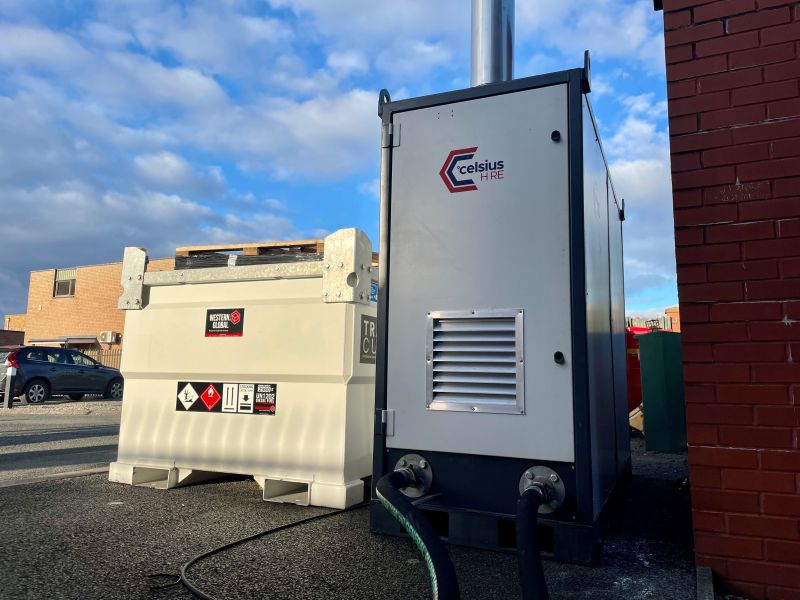
Temporary heating solutions for supermarkets
Temporary supermarket heating hire provides with a flexible way to maintain operations during breakdowns, upgrades or planned works.
At Celsius Hire, heating solutions are designed to integrate seamlessly with existing infrastructure, delivering reliable performance with minimal disruption.
Key options include:
• Indirect fired heaters (IDFs) for large, open retail spaces
• Boiler systems for targeted, controlled heating
• Scalable configurations to match site-specific requirements
These systems can be deployed quickly and adapted to the unique layout and demand of each store.
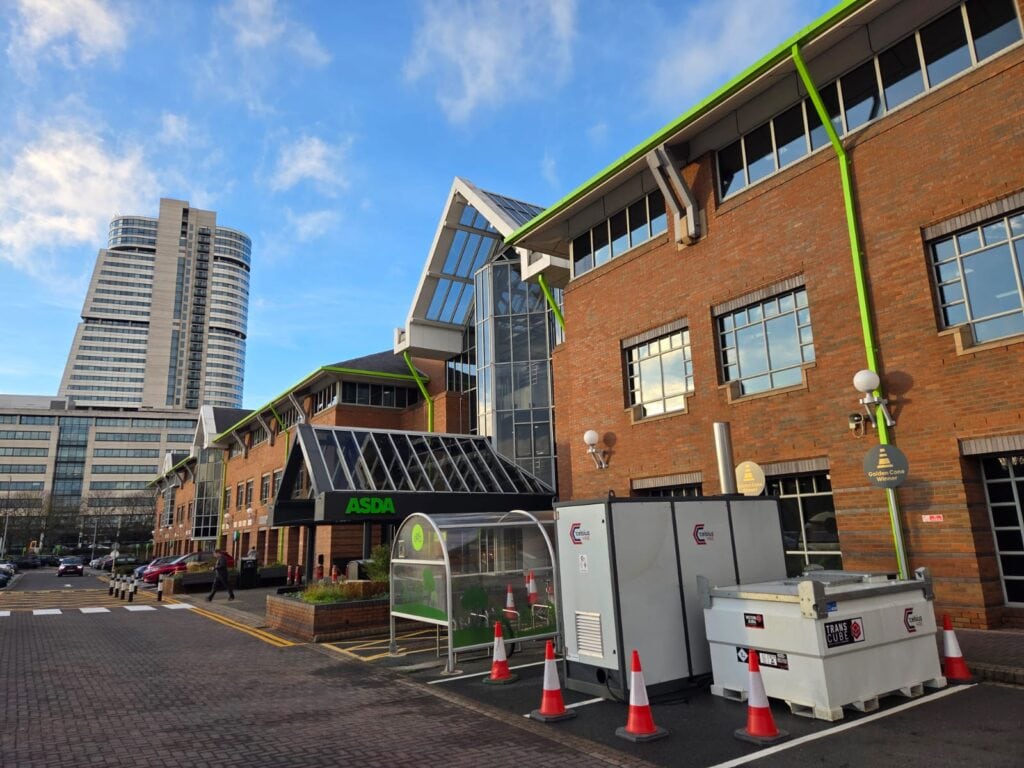
Indirect fired heaters (IDFs); efficient heat for large retail spaces
Indirect fired heaters are particularly effective in supermarket environments, where clean, consistent heat is required across wide, open areas.
Benefits of IDFs in supermarkets include:
• Rapid deployment and commissioning
• Even heat distribution across large floor areas
• Clean, indirect heating suitable for customer environments
• Flexible positioning to suit store layouts
For supermarkets facing sudden heating failures or temporary demand increases; IDFs offer a fast and reliable solution.
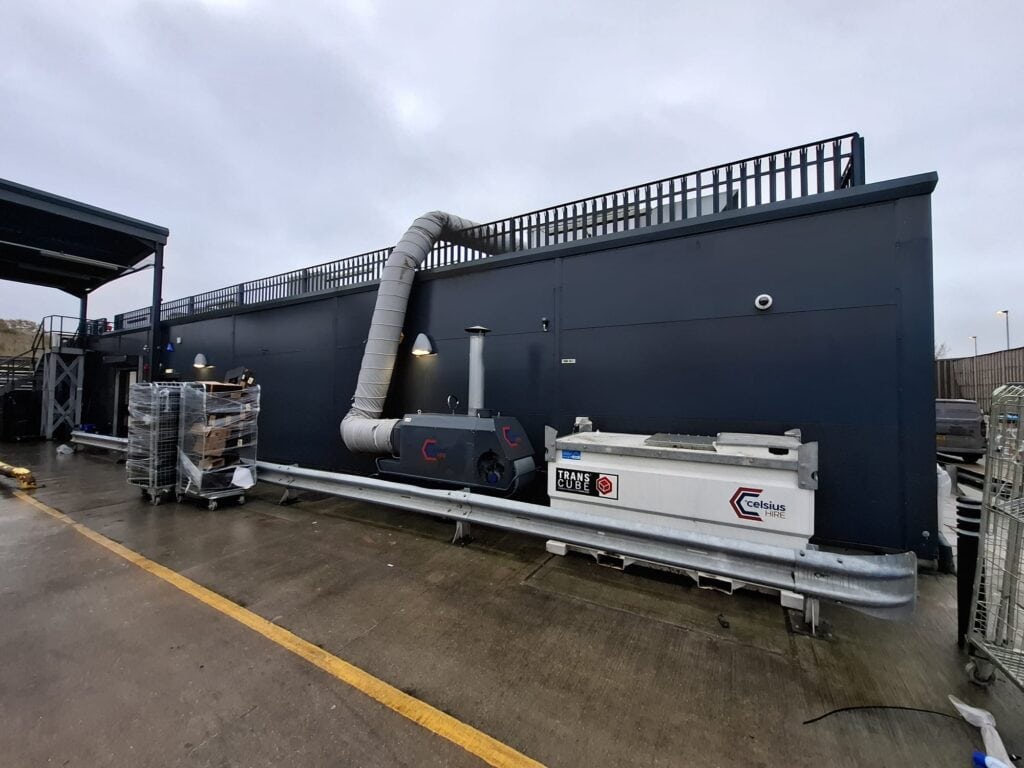
Temporary boiler systems; precise and scalable heating support
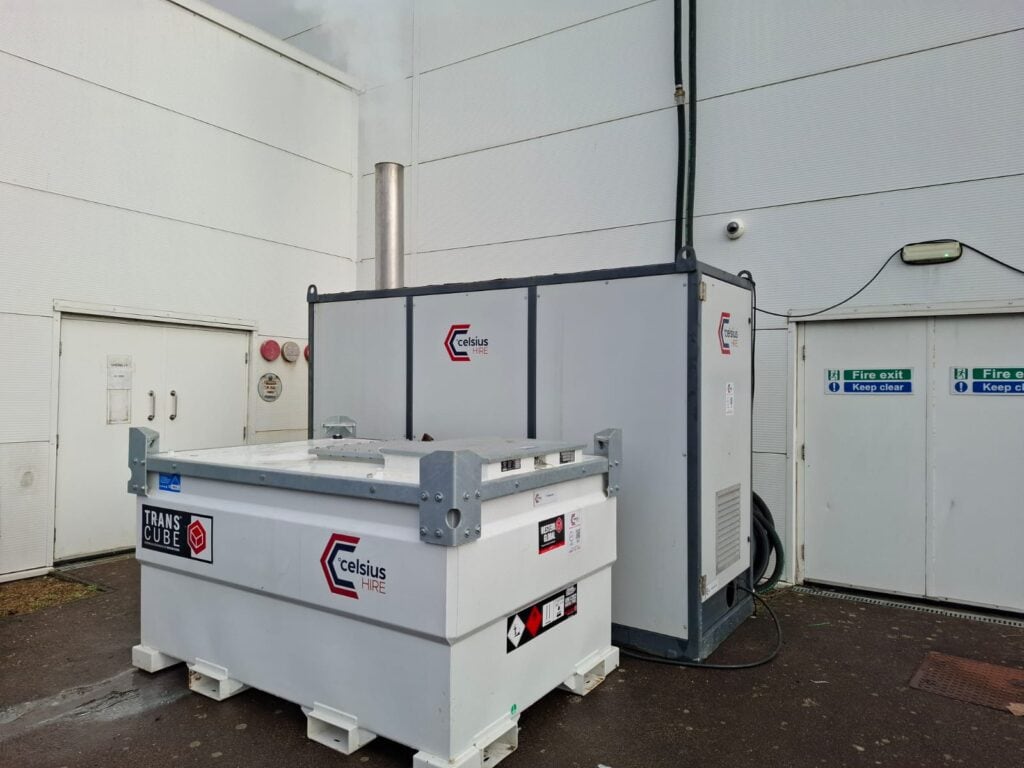
Our temporary boilers provide a more targeted approach to temporary heating and are ideal for supporting or replacing existing systems during maintenance or failure.
They can be integrated with existing heating networks, delivering controlled heat where and when it is needed.
Advantages of small boiler solutions include:
• Compatibility with existing pipework and systems
• Precise control of temperature and output
• Scalable capacity to match site-specific kilowatt demand
• Suitability for both short-term and long-term projects
For supermarkets undergoing refurbishment or system upgrades, small boilers offer a practical and efficient alternative to permanent installations.
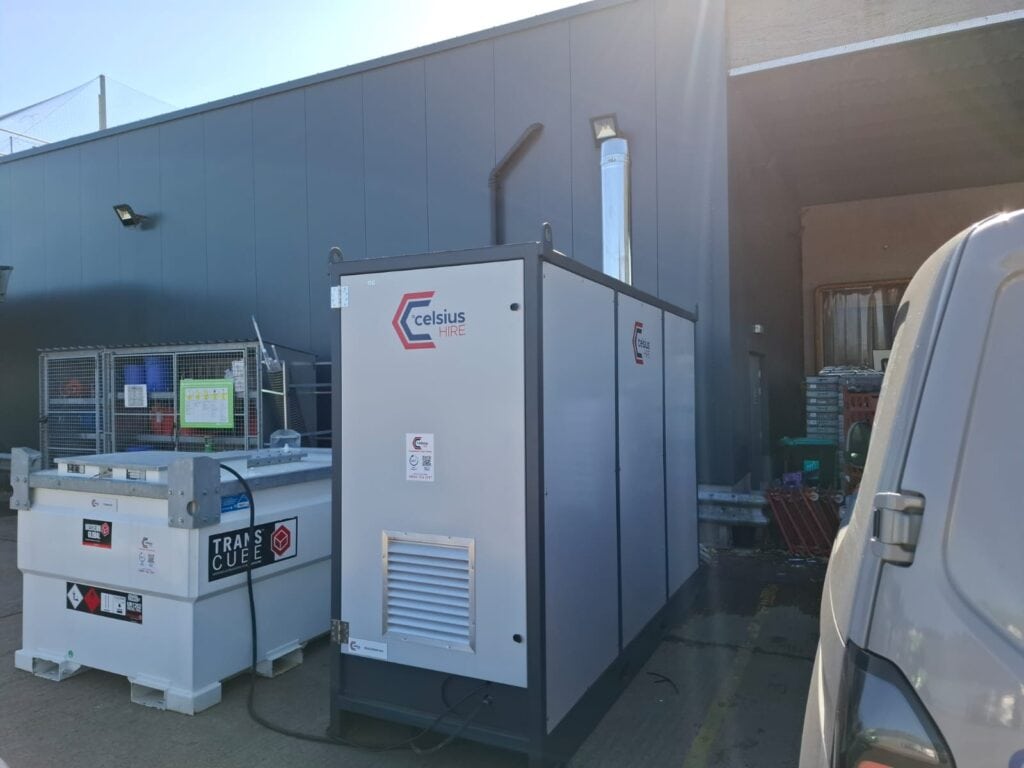
Air handling units (AHUs) paired with boilers; integrated heating for complex retail environments
In many supermarkets, heating requirements extend beyond simple space heating. Large, segmented layouts, back-of-house areas and varying temperature zones often require more integrated solutions.
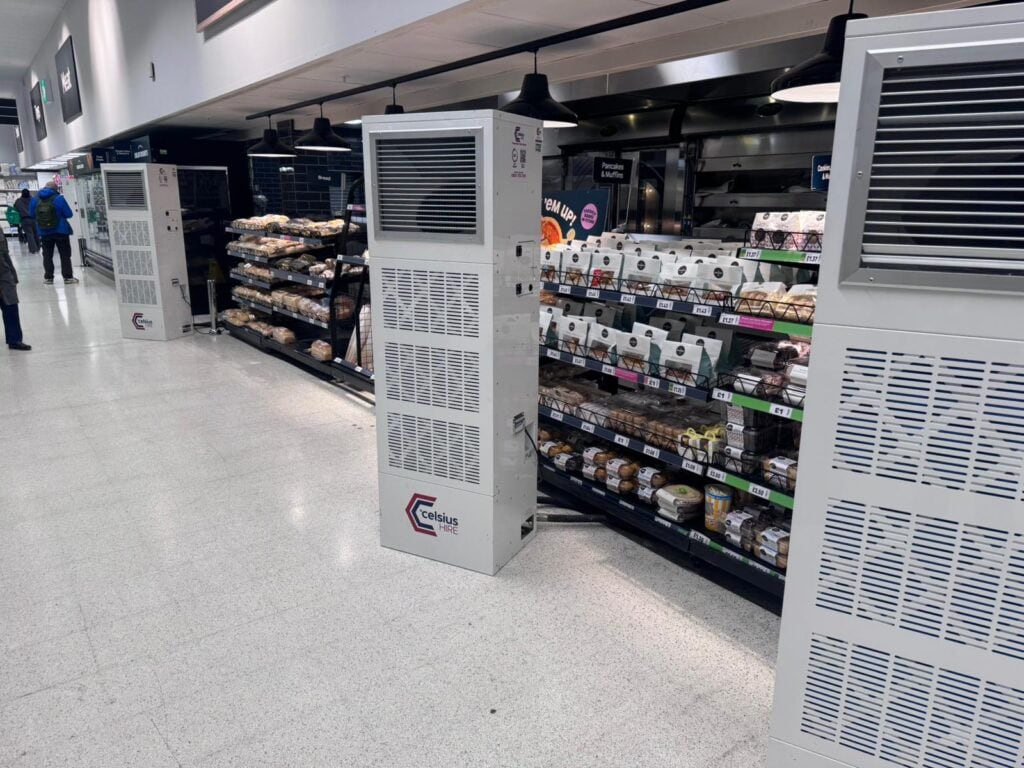
Pairing temporary boilers with air handling units (AHUs) provides a powerful and flexible approach to heating complex retail environments.
Temporary boilers generate hot water that can be connected to existing or temporary AHUs, enabling controlled heat distribution across multiple zones within a supermarket. This approach is particularly effective where existing systems are offline, being upgraded or operating at reduced capacity.
Key advantages of combining boilers with AHUs include:
• Zoned heating across different areas of the store
• Compatibility with existing ventilation and ductwork
• Improved temperature control in large or multi-level spaces
• Scalable output to match fluctuating demand
• Seamless integration with temporary or permanent infrastructure
For supermarkets undergoing refurbishment, system replacement or large-scale maintenance, boiler and AHU combinations offer a robust solution that mirrors the performance of permanent systems while maintaining operational continuity.
By using AHUs alongside temporary boilers, supermarkets can achieve consistent, controlled heating across both customer-facing and operational areas, even during periods of significant infrastructure change.